Vosges Hiker's Fatal Fall: Tragedy on a Frozen Path Near Altenweiher
The breathtaking, snow-dusted peaks and serene valleys of the Vosges mountains attract countless nature enthusiasts year-round. However, their captivating beauty can conceal unforgiving dangers, particularly during the harsh winter months. A recent and profound tragedy has cast a somber shadow over the region, as a 33-year-old hiker was discovered deceased near Lac d'Altenweiher, a stark reminder of the perils that can befall even experienced adventurers. This heartbreaking incident, where a **homme mort Vosges** becomes a grim reality, underscores the critical importance of preparedness and caution when venturing into these majestic, yet challenging, landscapes.
A Desperate Call and a Grim Discovery Near Lac d'Altenweiher
The alarm was first raised on a Tuesday afternoon when the 33-year-old hiker, whose identity has not been publicly released, managed to make a desperate call for help. He reported being stranded on a perilous, frozen path near the picturesque Lac d'Altenweiher, located in the commune of Metzeral, Haut-Rhin, within the greater Vosges massif. The situation quickly escalated when his phone, running low on battery in the cold, eventually powered down, severing his connection to the outside world and plunging him into a terrifying isolation.
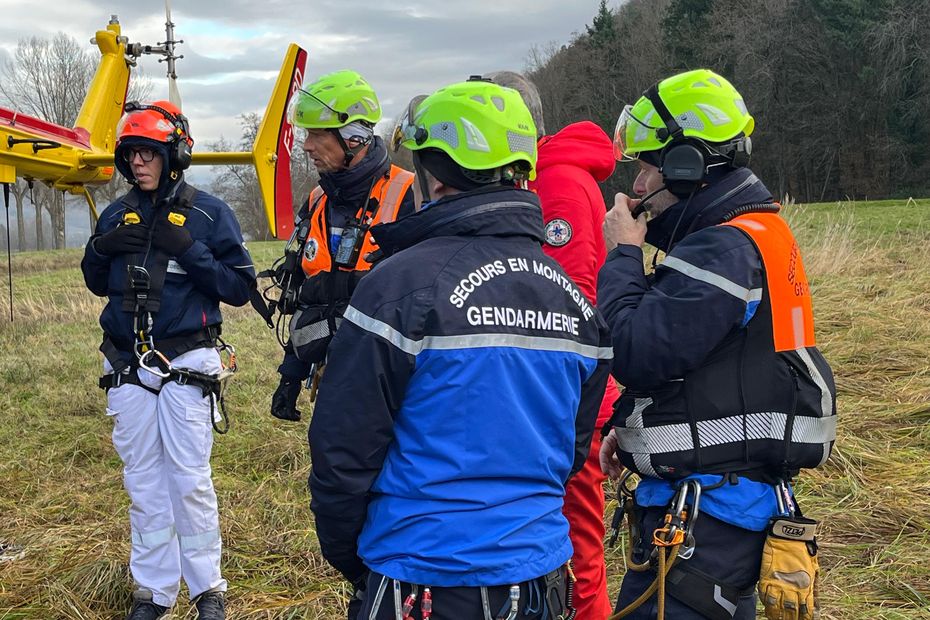
Rescue services immediately launched an intense search operation. Firefighters and high-mountain gendarmes deployed all available resources, including advanced drones to scour the rugged terrain from above and highly trained search dogs to track any potential scent on the ground. Despite their tireless efforts throughout Tuesday afternoon and into the night, the vast and challenging landscape, combined with plummeting temperatures and the onset of darkness, hindered their progress. The urgency of the situation was palpable, as every passing hour diminished the chances of a positive outcome.
The search resumed with renewed vigor on Wednesday morning, bolstered by the addition of a helicopter capable of covering larger areas and providing an aerial perspective. It was during these renewed efforts that the hiker's body was tragically discovered. He was found approximately 100 meters below a marked trail, a location indicative of a severe fall. Preliminary assessments suggest that the frozen path he reported being trapped on likely led to a fatal slip, sending him tumbling down the steep embankment. An investigation has since been opened to ascertain the precise circumstances leading to this unfortunate death, offering some closure to the grieving family and the local community. The incident serves as a stark testament to the unforgiving nature of the Vosges mountains when winter conditions take hold, turning familiar paths into deadly traps.
The Perilous Beauty of the Vosges in Winter
The Vosges mountains, a range of moderate altitude spanning northeastern France, transform into a winter wonderland when covered in snow and ice. Hikers, snowshoers, and cross-country skiers are drawn to their pristine beauty, tranquil forests, and panoramic views. However, beneath this enchanting façade lies a landscape that demands utmost respect and careful planning, particularly from late autumn through early spring.
Winter conditions in the Vosges can be notoriously fickle and severe. What might appear as a gentle, snow-covered slope can hide treacherous patches of black ice, making even seemingly innocuous paths incredibly dangerous. Temperatures can drop rapidly, leading to hypothermia even on relatively short excursions if one is improperly dressed. Visibility can quickly deteriorate due to heavy snowfall, fog, or whiteout conditions, causing disorientation even on well-trodden routes. The combination of frozen ground, ice-slicked rocks, and snow often conceals the true nature of the terrain, masking unstable edges or sudden drops. It is under these demanding circumstances that the risk of a fatal incident, such as a **homme mort Vosges** tragedy, significantly escalates. Navigating such environments without the correct gear, experience, or awareness can turn a leisurely trek into a life-threatening ordeal, as tragically evidenced by the recent loss near Altenweiher.
Essential Safety Tips for Vosges Winter Hikers
To mitigate the inherent risks of winter hiking in the Vosges, meticulous preparation and adherence to safety protocols are paramount. This isn't just about comfort; it's about survival.
*
Check Weather and Trail Conditions: Before setting out, always consult multiple reliable weather forecasts specifically for the mountain altitudes you plan to visit. Pay attention to temperature, wind chill, precipitation, and avalanche risk. Local tourism offices or mountain guide associations often provide up-to-date trail conditions. If in doubt, postpone your trip.
*
Inform Others of Your Plans: Always let someone know your exact route, estimated departure and return times, and who is in your party. This information is crucial for rescue services if you fail to return as expected.
*
Pack Appropriate Gear:
- Layered Clothing: Wear multiple layers of synthetic or wool clothing that can be adjusted to changing conditions. Avoid cotton, which loses its insulating properties when wet.
- Waterproof Outerwear: A good quality waterproof and windproof jacket and trousers are essential.
- Insulated Footwear: Sturdy, waterproof hiking boots with excellent grip are a must. Consider gaiters to keep snow out.
- Traction Devices: Essential for icy paths, carry microspikes or crampons and know how to use them. An ice axe can provide crucial stability on steeper, icy terrain.
- Navigation Tools: A physical map and compass (and the knowledge to use them) are vital, even with GPS devices. A fully charged phone with a power bank is also critical for emergencies.
- Headlamp: With spare batteries, as daylight hours are shorter in winter.
- Emergency Shelter: A lightweight emergency bivvy bag or blanket can be a lifesaver.
- First-Aid Kit: Comprehensive and tailored for mountain injuries.
- Food and Water: High-energy snacks and sufficient water (protected from freezing).
*
Stick to Marked Trails: Especially in winter, venturing off marked paths can lead to dangerous, hidden terrain or trigger avalanches.
*
Know Your Limits: Be realistic about your physical fitness and experience level. Winter hiking is more demanding than summer hiking.
*
Emergency Procedures: If you get lost or injured, stay calm. Try to conserve your phone battery and seek immediate shelter. Call emergency services (112 in Europe) providing as much detail as possible about your location.
A Troubling Pattern: Other Recent Tragedies in the Vosges
This recent hiking tragedy, unfortunately, follows other heartbreaking incidents in the region, adding to a somber period for the Vosges community. Just weeks prior, Gérardmer was the scene of another unexpected fatality when a
young man celebrating a bachelor party fell from a balcony. This 30-year-old father, visiting from northern France, tragically lost his life in the early hours of a Saturday morning. While completely distinct in circumstances from the Altenweiher hiking incident, both underscore a chilling reality that life can be unexpectedly cut short, even in celebratory or recreational settings.
Furthermore, within the same timeframe, another incident saw a 34-year-old man reportedly end his life by falling from the Tour de Mérelle, also in Gérardmer. These events, though distinct in their causes—ranging from accidental falls to suspected suicides—collectively raise questions and concerns across the community, prompting local authorities to conduct thorough investigations into each case. For a deeper dive into these recent incidents and the regional response to the string of unfortunate fatalities, you can read our article:
Vosges: Unpacking Recent Fatal Falls and Regional Investigations.
Ongoing Investigations and Community Reflection
The gendarmerie has opened an investigation into the hiker's death near Altenweiher. This inquiry will seek to establish all facts surrounding the incident, from the precise cause of the fall to whether any external factors contributed to the tragedy. While the initial assessment points to a fatal fall on a frozen path, the investigation will ensure a comprehensive understanding of what transpired.
Beyond the formal investigations, these recurring tragedies prompt a moment of reflection for the entire Vosges community and for visitors to the region. They highlight the delicate balance between enjoying the natural beauty and respecting its inherent dangers. Educational campaigns on mountain safety, especially during winter, may be amplified to prevent future incidents. The shared grief over each lost life serves as a powerful, albeit painful, reminder of our collective responsibility to prioritize safety, look out for one another, and never underestimate the power of nature.
The loss of a 33-year-old hiker near Lac d'Altenweiher is a profound tragedy that reverberates through the Vosges. It is a stark and sorrowful reminder that even the most beautiful landscapes demand respect, preparedness, and caution, particularly when winter conditions set in. The search and rescue efforts, the discovery of a **homme mort Vosges**, and the subsequent investigation all highlight the severe risks associated with frozen paths and unpredictable mountain weather. As the community mourns, this incident should serve as an urgent call for all who venture into these mountains to rigorously adhere to safety protocols, ensuring that their passion for the outdoors does not lead to another heartbreaking loss.